

Introduction
A collision involving a commercial truck can change a person’s life in seconds. Unlike ordinary car accidents, crashes with semi-trucks, tractor-trailers, delivery trucks, and other heavy commercial vehicles often lead to severe injuries, emotional trauma, expensive medical treatment, and long recovery periods. Victims may suddenly face hospital bills, lost wages, physical pain, and uncertainty about the future.
Because trucking companies usually carry large insurance policies, these claims can become highly contested. Insurers often move quickly to protect their financial interests. They may investigate the crash immediately, gather statements, and look for ways to minimize payouts. This creates a difficult situation for injured people who are trying to heal.
That is why many victims seek a truck accidents lawyer soon after the incident. Legal guidance can make the difference between a rushed low settlement and a fair recovery that truly reflects long-term losses. A knowledgeable attorney understands trucking regulations, evidence preservation, liability disputes, and how to negotiate with corporate insurers.
This detailed guide explains how truck accident claims work, who may be responsible, what compensation may be available, and how to choose the right legal help after a serious crash.
Why Truck Accidents Are Different From Regular Car Crashes
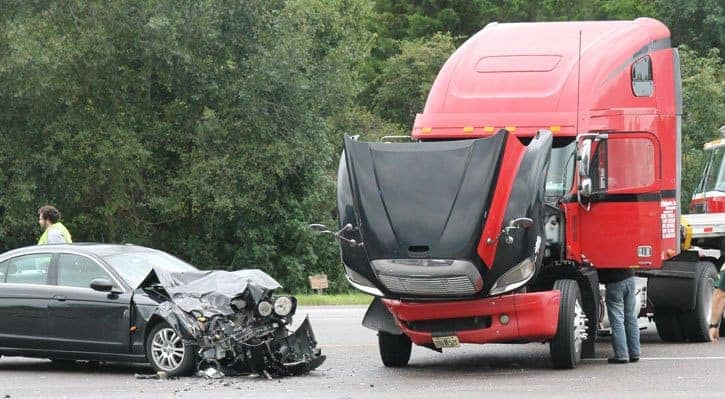
Not every traffic accident creates the same legal challenges. Truck accidents are often more complicated because commercial vehicles operate under stricter laws and involve larger risks.
A passenger car usually weighs between 3,000 and 4,000 pounds. A fully loaded tractor-trailer may weigh up to 80,000 pounds in many jurisdictions. That massive size difference means greater impact force, longer stopping distances, and more catastrophic damage during a collision.
Commercial trucking cases also involve layers of responsibility. A regular car accident might involve two drivers and two insurers. A truck crash may involve the driver, the trucking company, the owner of the trailer, a cargo loading company, maintenance contractors, and multiple insurance carriers.
Another major difference is regulation. Truck drivers and trucking companies are often subject to federal and state safety rules covering:
- Driving hours
- Rest breaks
- Vehicle inspections
- Weight limits
- Drug and alcohol testing
- Licensing standards
- Record keeping
When violations occur, those records may become powerful evidence in an injury claim.
For these reasons, victims often consult a truck accidents lawyer who knows how to investigate commercial vehicle collisions properly.
Common Causes of Truck Collisions
Truck crashes happen for many reasons, but most are preventable. Understanding the cause of the wreck is one of the first steps in proving fault.
Driver Fatigue
Truck drivers often work long schedules. Even with legal hour limits, pressure to meet delivery deadlines can lead to exhaustion. Fatigue slows reaction time, affects judgment, and increases the chance of serious mistakes.
Distracted Driving
Using a phone, checking GPS directions, eating, or adjusting controls can take attention off the road. A few seconds of distraction can be devastating when operating a heavy truck.
Speeding
A speeding truck needs much more distance to stop than a car. Higher speed also increases crash severity, especially on highways and downhill grades.
Improper Lane Changes
Large trucks have significant blind spots. If a driver changes lanes without checking mirrors carefully, nearby vehicles may be sideswiped or forced off the road.
Poor Vehicle Maintenance
Brake failure, tire blowouts, broken lights, steering problems, and worn components can cause preventable crashes. Companies that ignore maintenance schedules may be held liable.
Improper Cargo Loading
Uneven or unsecured cargo can shift during transport. This may cause rollovers, jackknife crashes, or spilled loads that create roadway hazards.
Weather Misjudgment
Rain, fog, wind, or icy roads require caution. Drivers and companies may still be responsible if they fail to adjust for dangerous conditions.
Serious Injuries Often Seen in Truck Accidents
Because of the size and force involved, truck collisions often produce severe injuries that require long-term care.
Traumatic Brain Injuries
A blow to the head or violent shaking can cause concussions or more serious brain trauma. Symptoms may include headaches, memory problems, dizziness, and cognitive difficulties.
Spinal Cord Injuries
Back and neck trauma can lead to chronic pain, nerve damage, or paralysis. Recovery may require surgery and rehabilitation.
Broken Bones
Fractures are common in high-impact collisions. Some require multiple surgeries or permanent hardware.
Internal Injuries
Damage to organs or internal bleeding may not be obvious immediately. Emergency treatment is often critical.
Burn Injuries
Fuel fires or hazardous cargo incidents can lead to painful burns and permanent scarring.
Psychological Trauma
Many victims experience anxiety, depression, sleep problems, or fear of driving after a serious crash.
A truck accidents lawyer often works with medical professionals and financial experts to understand the full cost of these injuries.
What to Do Immediately After a Truck Accident
The first hours after a crash can strongly affect both health and any future claim.
Seek Medical Attention
Even if pain seems minor, some injuries appear later. Immediate treatment protects health and creates valuable medical documentation.
Call Police
A police report may contain witness names, road conditions, initial fault observations, and citations.
Gather Evidence if Safe
If physically able and safe to do so, collect:
- Photos of vehicle damage
- Truck company logos or DOT numbers
- Road conditions
- Skid marks
- Injuries
- Nearby traffic signs
Get Witness Information
Independent witnesses can become valuable if fault is disputed later.
Avoid Detailed Insurance Statements
Provide only basic information until you understand your rights.
Contact a Lawyer Early
A truck accidents lawyer can begin preserving evidence quickly, especially data that may disappear or be overwritten.
Who Can Be Held Responsible for a Truck Crash?
One of the biggest mistakes victims make is assuming only the driver is liable. Trucking cases often involve several potentially responsible parties.
Truck Driver
If the driver was speeding, distracted, fatigued, intoxicated, or reckless, they may be directly liable.
Trucking Company
Companies may be responsible for negligent hiring, poor training, forcing unsafe schedules, or failing to supervise drivers.
Vehicle Owner
Sometimes the truck or trailer is owned by another company that may share liability.
Maintenance Contractor
If brakes, tires, or safety systems were poorly maintained, the repair provider may be involved.
Cargo Loading Company
Improperly secured or overloaded cargo can create dangerous instability.
Manufacturer
If a defective tire, brake system, steering component, or other part caused the crash, the manufacturer may face liability.
A thorough investigation by a truck accidents lawyer helps identify all available sources of compensation.
Important Evidence in Truck Accident Claims
Evidence often determines whether a case settles favorably or becomes difficult. Trucking claims may involve technical records unavailable in ordinary car accidents.
Electronic Logging Devices
These systems may track driving hours and rest periods.
Black Box Data
Commercial vehicles often record speed, braking, throttle use, and engine information.
Inspection Reports
Maintenance logs can reveal ignored mechanical problems.
Driver Qualification Files
These may show past violations, training gaps, or medical certification issues.
Dashcam or Surveillance Footage
Video evidence can clarify fault instantly.
Phone Records
Useful when distraction is suspected.
Witness Statements
Independent accounts can support your version of events.
Because some records are routinely deleted, a truck accidents lawyer may send evidence preservation notices immediately.
How Insurance Companies Handle Truck Claims
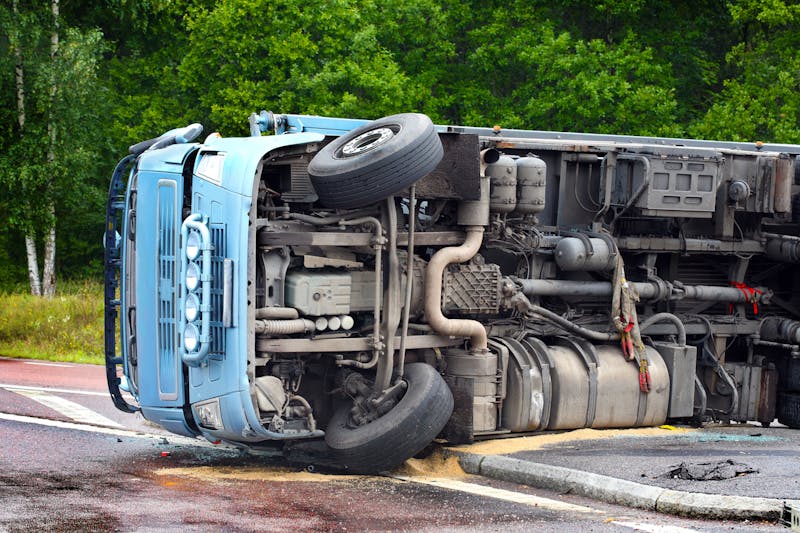
Trucking insurers know these cases can involve large payouts. They often use experienced adjusters and defense attorneys from day one.
Some common tactics include:
Quick Settlement Offers
An early offer may sound helpful, but it often comes before the full medical cost is known.
Disputing Injury Severity
Insurers may claim your injuries were pre-existing or exaggerated.
Blaming the Victim
They may argue you cut off the truck, braked suddenly, or failed to avoid the crash.
Delaying the Process
Long delays can pressure injured people who need money for bills.
Monitoring Social Media
Posts or photos may be used out of context.
An experienced truck accidents lawyer can handle communication and protect you from these tactics.
What Compensation Can Victims Recover?
Every claim is unique, but compensation often falls into two categories: economic and non-economic damages.
Economic Damages
These cover measurable financial losses such as:
- Emergency room bills
- Surgery costs
- Hospital stays
- Physical therapy
- Medication
- Lost wages
- Reduced future earnings
- Property damage
- Home care needs
Non-Economic Damages
These address personal losses that are harder to measure, including:
- Pain and suffering
- Emotional distress
- Loss of mobility
- Reduced enjoyment of life
- Permanent disability
- Scarring
Wrongful Death Damages
If a loved one dies in a truck crash, surviving family members may pursue funeral costs, lost support, and other damages depending on local law.
A skilled truck accidents lawyer helps calculate both current and future losses.
How Long Does a Truck Accident Case Take?
There is no single timeline for every claim. Some settle within months, while others take longer depending on:
- Injury severity
- Need for ongoing treatment
- Liability disputes
- Number of parties involved
- Insurance negotiations
- Court schedules
- Expert investigations
Cases involving catastrophic injuries often require patience because future medical needs must be understood before settlement.
Settlement vs Trial
Most injury claims settle outside court, but settlement should happen only when the offer is fair.
Benefits of Settlement
- Faster resolution
- Lower legal costs
- Less emotional stress
- Predictable result
Benefits of Trial
- Potentially higher compensation
- Stronger accountability
- Opportunity to challenge unfair insurer tactics
A prepared truck accidents lawyer builds the case thoroughly whether settlement or trial becomes the best path.
Mistakes That Can Hurt Your Claim
Victims sometimes damage otherwise strong cases without realizing it.
Waiting Too Long
Delays may cause lost evidence and missed legal deadlines.
Skipping Treatment
Gaps in care allow insurers to argue injuries were minor.
Posting Online
Photos or comments can be misunderstood.
Accepting the First Offer
Early offers often undervalue long-term damages.
Giving Recorded Statements
Insurers may use wording against you later.
Avoiding these mistakes can significantly improve results.
How to Choose the Right Lawyer

Not every personal injury attorney regularly handles trucking litigation. Experience matters.
Look for Proven Trucking Experience
Commercial vehicle cases require knowledge beyond ordinary accident claims.
Strong Communication
You should understand what is happening with your case at each stage.
Resources for Experts
Serious claims often need accident reconstructionists, medical experts, and economists.
Trial Readiness
Even if most cases settle, insurers respect lawyers who are ready for court.
Clear Fee Structure
Many injury attorneys work on contingency, meaning fees are tied to recovery.
Meeting with a truck accidents lawyer for a consultation can help you compare options.
Frequently Asked Questions
Do I need a lawyer for a truck crash claim?
Because truck cases often involve large insurers and complex evidence, legal help is commonly beneficial.
How much is my case worth?
Value depends on injuries, liability strength, medical costs, lost income, and long-term impact.
What if I was partly at fault?
Many states use comparative fault rules that may still allow compensation.
How much does hiring a lawyer cost?
Many work on contingency fees, so payment often comes from a successful recovery.
Can I sue the trucking company directly?
In many situations, yes—especially if company negligence contributed to the crash.
How soon should I act?
As soon as possible. Evidence can disappear quickly.
Quick Claim Checklist
After a Truck Collision, Remember to:
- Get medical care immediately
- Report the crash
- Save photos and records
- Keep receipts and bills
- Avoid social media discussion
- Do not rush into settlement
- Speak with a legal professional promptly
Conclusion
Truck accident claims are rarely simple. The injuries are often serious, the financial losses can be overwhelming, and multiple parties may deny responsibility. Meanwhile, trucking companies and insurers usually act quickly to protect themselves.
That is why early action matters. Proper medical care, preserved evidence, and informed legal guidance can dramatically change the outcome of a case. Whether the crash involved driver fatigue, unsafe maintenance, speeding, or cargo problems, victims deserve a fair chance to recover physically and financially.
If you or someone you love has been hurt in a serious commercial vehicle collision, do not face the process alone. Consult a qualified truck accidents lawyer who understands these complex claims, knows how to challenge insurers, and can fight for the compensation you need to move forward with confidence.
Read More:-Trusted Legal Help After Medical Errors and Negligence Claims Now